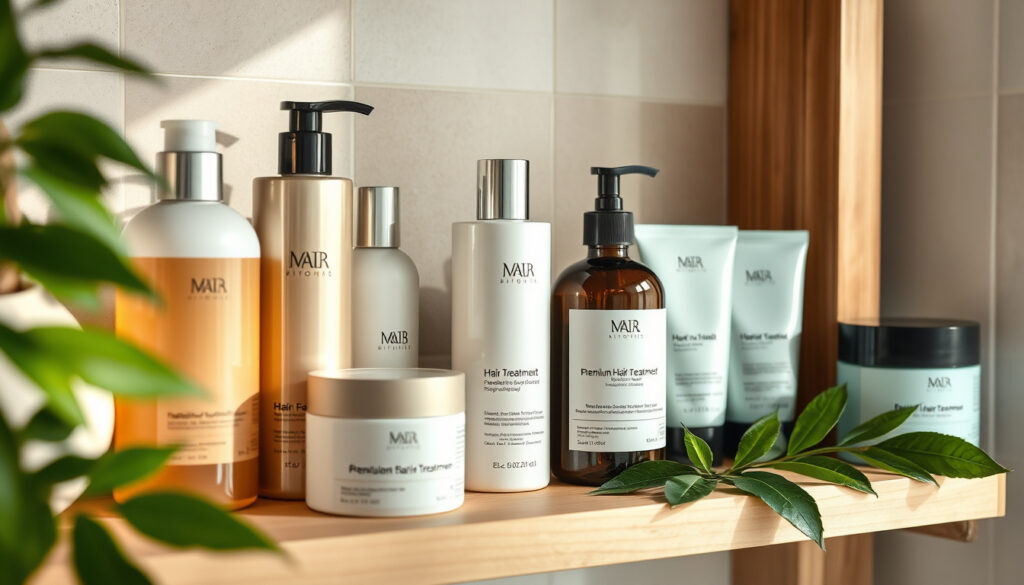
Hair Treatment Guide: Types, Benefits, and Best Picks
Anyone who has stood in front of a salon menu weighing keratin against botox or a simple deep conditioner knows the overwhelm: too many options, not enough clear answers. With professional keratin treatments typically costing between €150 and €350 and results that last for months, the financial commitment is real — but so is the confusion about what actually works for your specific hair type and condition. This guide cuts through the marketing to explain how each treatment works, who it benefits most, and how to match the method to your hair’s real needs.
Average hair growth rate: 1.25 cm per month (National Institutes of Health) ·
Number of hair strands on a healthy scalp: 100,000 to 150,000 ·
Typical cost of salon keratin treatment: €150–€350 ·
Duration of hair botox results: 2–4 months ·
Percentage of women who experience hair thinning by age 50: Approximately 70% (American Academy of Dermatology)
Quick snapshot
- Keratin treatments often contain formaldehyde-releasing ingredients (GK Hair (professional haircare brand))
- Hair botox is generally free of formaldehyde (CK Studio Salon (salon comparison guide))
- Minoxidil is FDA-approved for hair loss (FDA (U.S. Food and Drug Administration))
- Long-term effects of repeated hair botox treatments remain understudied
- Efficacy of at-home hair masks versus salon treatments in controlled clinical trials
- Keratin lasts 3–5 months (Salon D (Dallas salon pricing guide))
- Hair botox lasts 2–4 months (Biro Hair Studio (salon maintenance guide))
- Protein treatments recommended every 4–6 weeks (Salon D (Dallas salon pricing guide))
- Consult a dermatologist for a personalized thinning treatment plan
- Match treatment choice to hair type, damage level, and budget
- Plan maintenance schedule before booking
| Fact | Value |
|---|---|
| Average hair growth rate | 1.25 cm per month (NIH) |
| Number of hair strands | 100,000–150,000 |
| Typical cost of salon keratin treatment | €150–€350 |
| Duration of hair botox results | 2–4 months |
| Most common hair type worldwide | Straight (Asian, Caucasian) |
Which treatment for hair is best?
What is basic hair treatment?
- A basic hair treatment is any product or procedure designed to improve the condition, appearance, or health of hair — from a weekly deep conditioner to a professional chemical service.
- Basic treatments fall into conditioning, protein repair, smoothing, and scalp care, each targeting different issues: dryness, breakage, frizz, or thinning.
At its simplest, basic hair treatment means restoring what your hair has lost — moisture, protein, or both. The challenge is figuring out which one your hair actually needs. Dry, brittle hair often lacks moisture; mushy, over-elastic hair signals too little protein. The GK Hair (professional haircare educator) explains that a properly applied keratin treatment improves texture and manageability without causing damage — but only when the hair has enough protein to begin with. The best treatment, then, depends entirely on your starting point.
What are the benefits of hair treatments?
- Improved manageability and reduced styling time
- Strengthened hair shaft and reduced breakage
- Enhanced shine, smoothness, and frizz control
- Targeted solutions for hair loss, dandruff, and scalp conditions
The payoffs go beyond aesthetics. Regular moisturizing treatments prevent the brittleness that leads to split ends, while protein treatments reinforce the hair’s cortex. According to the American Academy of Dermatology (dermatology authority), early intervention with the right treatment can slow hair thinning and reduce the need for more aggressive interventions later.
What are the different types of hair treatments?
What are the 4 main types of hair?
- Straight: Naturally smooth, can become oily quickly, benefits from lightweight moisturizers
- Wavy: Prone to frizz, responds well to hydrating creams and anti-frizz serums
- Curly: Needs consistent moisture, benefits from deep conditioning and protein-moisture balance
- Coily: Most fragile, requires intensive hydration, gentle handling, and regular protein treatments
Your hair type determines which treatment category will serve you best. Straight hair may rebel against heavy oils, while coily hair can snap under too much protein. The CK Studio Salon (salon treatment comparison) notes that hair botox performs better on damaged, fine, or color-treated hair, whereas keratin treatments suit thick, coarse, or extremely frizzy textures. Knowing your type is the first filter in narrowing the options.
Types of Hair Treatment: Which is best for you?
Four treatment categories, one pattern: the right choice depends on what your hair is telling you.
| Category | Best for | Key ingredients / approach | Frequency |
|---|---|---|---|
| Moisturizing | Dry, brittle, frizzy hair | Shea butter, oils, ceramides | Weekly or as needed |
| Protein / Bond building | Over-processed, color-treated, heat-damaged hair | Hydrolyzed proteins, Olaplex, amino acids | Every 4–6 weeks |
| Smoothing (Keratin / Botox) | Frizz-prone, unmanageable, or damaged hair needing styling ease | Keratin (formaldehyde derivatives) or Botox (formaldehyde-free fillers) | Every 3–5 months (keratin) or 2–4 months (botox) |
| Scalp / Thinning | Hair loss, dandruff, sensitivity | Minoxidil, laser therapy, chemical peels | Ongoing (per dermatologist plan) |
Why this matters: skipping the category match is the most common reason treatments fail. A person with fine, color-treated hair who reaches for a heavy keratin smoothing treatment may end up with limp, over-processed strands — while the same person could benefit from a bond-building protein treatment instead.
How to fix hair thinning?
Can hair treatments reverse damage?
- Treatments can strengthen and improve the appearance of damaged hair, but they cannot “reverse” permanent structural loss like split ends or broken follicles.
- Minoxidil and low-level laser therapy are clinically shown to slow thinning and, in some cases, promote regrowth — especially when started early.
- According to the American Academy of Dermatology (dermatology authority), early treatment of hair thinning with minoxidil and laser therapy can slow progression significantly.
The distinction matters: damage above the scalp (the hair shaft) can be improved, but damage at the follicle level requires medical intervention. Topical treatments can plump the strand and reduce breakage, but they do not create new hair where the follicle has stopped producing. For genuine regrowth, the FDA (U.S. regulatory agency) has approved minoxidil for over-the-counter use, and low-level laser devices have received FDA clearance for treating hereditary hair loss.
Are at-home treatments effective for thinning?
- At-home topical minoxidil (Rogaine) is clinically proven to slow hair loss and stimulate regrowth in roughly 40% of users when used consistently.
- Over-the-counter hair masks and serums may improve scalp health and hair appearance but lack rigorous clinical evidence for regrowth.
- A Traya Health (hair wellness platform) analysis notes that the long-term cost of at-home maintenance can still accumulate, especially when products underdeliver on their promises.
The pattern is clear: at-home treatments work best as a complement to professional care, not a replacement. For anyone experiencing persistent thinning, a consultation with a dermatologist remains the essential first step — no shampoo or mask can substitute for a clinical diagnosis.
A person with genetic hair thinning who waits two years before seeking help may lose 40% of follicular density, reducing the effectiveness of even prescription treatments. Early action is the single biggest controllable factor.
Which is better, keratin or botox?
Keratin, Smoothening or Hair Botox: Which treatment should you choose?
Two smoothing treatments, one critical difference: keratin reshapes the hair’s protein structure, while botox fills in damaged gaps. The choice depends on your hair’s starting condition.
| Feature | Keratin Treatment | Hair Botox |
|---|---|---|
| Primary purpose | Smoothing, frizz reduction, straightening | Restorative, filling damage, adding volume |
| Duration of results | 3–5 months (Salon D) | 2–4 months (Biro Hair Studio) |
| Formaldehyde content | Often contains formaldehyde-releasing ingredients | Generally formaldehyde-free (CK Studio Salon) |
| Best for hair type | Thick, coarse, extremely frizzy hair (CK Studio Salon) | Damaged, fine, color-treated hair (CK Studio Salon) |
| Cost range (salon) | $150–$800 (GK Hair) | $150–$450+ (Salon D) |
| Effect on curl pattern | Reduces curl significantly | Preserves curl, reduces frizz |
The trade-off: keratin gives you dramatic smoothness and longer-lasting results, but it comes with chemical trade-offs, including formaldehyde exposure in many formulations. Hair botox delivers a gentler, more restorative outcome that preserves natural texture — but the effects fade faster. For someone with chemically processed, fragile hair, hair botox is the safer bet; for those with robust, unruly hair who want maximum sleekness, keratin wins.
Salons that advertise “formaldehyde-free” keratin treatments may still use ingredients that release formaldehyde when heated — a distinction that matters for anyone with respiratory sensitivity or a history of chemical allergies. Always ask for the ingredient list before booking.
How often should hair treatments be done?
How Often Should I Get a Professional Hair Treatment?
- Moisturizing treatments: Weekly at home; every 4–6 weeks in a salon
- Protein or bond-building treatments: Every 4–6 weeks, depending on damage level
- Keratin smoothing: Every 3–5 months, with touch-ups at 6–8 weeks if needed
- Hair botox: Every 4–6 months (Biro Hair Studio)
- Scalp / thinning treatments: Ongoing, as prescribed by a dermatologist
The danger of over-treatment is real. Too much protein leaves hair brittle and prone to snapping; too many smoothing treatments can build up and weigh hair down. According to Lee Graves Salon (Plano-based salon pricing resource), the frequency should match your hair’s condition cycle — not the calendar. Inspect your hair between appointments: if it feels straw-like or looks dull, give it a break before rebooking.
Upsides
- Keratin: long-lasting shine and manageability, dramatic frizz reduction
- Hair botox: formaldehyde-free, restorative, safe for color-treated hair
- Professional application ensures even coverage and longer results
- Both reduce daily styling time significantly
Downsides
- Keratin: chemical exposure concerns, high cost, may alter curl pattern
- Hair botox: shorter duration, higher per-session cost relative to duration
- Both require professional application — at-home versions are less effective
- Annual maintenance costs can be high, especially in urban markets (Traya Health)
How to choose and maintain a hair treatment plan: 5 steps
- Diagnose your hair’s condition. Is it dry, brittle, over-processed, or thinning? The assessment determines the treatment category.
- Match treatment to your hair type. Fine hair needs lightweight formulas; thick hair can handle smoothing treatments; coily hair needs moisture-first protocols.
- Budget realistically. Keratin treatments run €150–€800 depending on location and salon tier (GK Hair). Hair botox ranges similarly. Factor in repeat sessions.
- Consult a professional. A trichologist or dermatologist can diagnose underlying issues — especially for thinning — that over-the-counter products can’t fix.
- Plan the maintenance schedule. Protein every 4–6 weeks, smoothing every 3–5 months, moisturizing weekly. Adjust based on how your hair responds between sessions.
Confirmed facts vs. what remains unclear
Confirmed facts
- Keratin treatments often contain formaldehyde-releasing ingredients (GK Hair)
- Hair botox is generally free of formaldehyde (CK Studio Salon)
- Minoxidil is FDA-approved for hair loss (FDA)
- Over-processing with protein can cause hair breakage
- Scalp treatments targeting hair loss benefit from early intervention (American Academy of Dermatology)
What’s unclear
- Long-term effects of repeated hair botox treatments remain understudied
- Efficacy of at-home hair masks compared to salon treatments in controlled trials
- Optimal frequency of keratin treatments for hair that is chemically processed
“Early treatment of hair thinning with minoxidil and low-level laser therapy can slow progression significantly.”
— American Academy of Dermatology (dermatology authority)
“A balanced approach of protein and moisture treatments is essential for damaged hair.”
The implication is direct: the two biggest levers for healthy hair are timing and balance. Start thinning treatments early, and keep protein and moisture in equilibrium. Neglect either, and even the most expensive salon service will underdeliver.
For anyone in the UK or Ireland evaluating their options, the choice between keratin and hair botox comes down to one honest question: does your hair need smoothing, or does it need repair? If the answer is repair — and for most people with color-treated, heat-styled, or fine hair it is — then hair botox is the safer, smarter starting point, even if it means booking a touch-up sooner.
salond.com, hairshealth.webflow.io, myhair.ai, keratin.pro, reddit.com, instagram.com
If you’re deciding between keratin, protein, or moisturizing treatments, a guide to repair and thinning treatments can help clarify which approach suits your hair type.
Frequently asked questions
Can hair treatments cause hair loss?
When applied correctly by a professional, most hair treatments do not cause hair loss. However, over-processing with protein or harsh chemicals — especially in frequent keratin treatments — can lead to breakage and thinning. Always follow the recommended frequency schedule.
What is the best hair treatment for curly hair?
Curly hair benefits most from moisture-rich treatments and gentle protein bonding. Hair botox is often a good fit because it fills damaged areas without straightening curls. Keratin treatments, by contrast, can significantly reduce curl definition.
Do hair treatments work for men?
Yes. Men with thinning hair can benefit from minoxidil and professional scalp treatments. Smoothing treatments like keratin also work on shorter hair, though the cost-to-duration ratio may be less favorable for very short styles.
How long does a hair treatment last?
Moisturizing treatments last 1–2 weeks. Protein treatments last 4–6 weeks. Keratin smoothing lasts 3–5 months. Hair botox lasts 2–4 months. Scalp treatments vary based on the prescribed protocol. Source: Biro Hair Studio.
Is hair botox safe for colored hair?
Yes. Hair botox is generally formaldehyde-free and gentle enough for color-treated hair. It can even extend the life of your color by filling damaged cuticles and locking in pigment — as noted in comparisons by CK Studio Salon.
Are keratin treatments safe during pregnancy?
Most dermatologists advise against keratin treatments during pregnancy due to the potential release of formaldehyde when the treatment is heat-activated. Hair botox is considered a safer alternative, but always consult your healthcare provider before any chemical service during pregnancy.
What is the difference between a hair mask and a deep conditioner?
A deep conditioner focuses on moisture and detangling, while a hair mask typically contains higher concentrations of proteins, oils, or ceramides for repair. Masks are generally applied weekly; deep conditioners can be used more frequently. Both serve as at-home adjuncts to professional treatments.
For the reader weighing their next salon booking in 2025, the decision is clear: match the treatment to your hair’s actual condition, not the marketing. If your hair is damaged, fine, or color-treated, start with a restorative option like hair botox or a bond-building protein treatment. If your hair is coarse, thick, and frizzy, keratin delivers the longest-lasting results — just verify the salon’s ingredient disclosures first.
More related posts
 Adriana Lima: Biography, Children, Face Changes, and More
 Mosman Park Deaths – Full Timeline and Investigation
 Anne, Princess Royal: Biography, Rank, Health, Family
 USD to IDR Rate: Convert US Dollars to Indonesian Rupiah
 Perchance AI: Free AI Chat, Image, Story & Character Generator
 Tom Brady: Biography, Career Wins, and Net Worth
 Felicity Blunt: Literary Agent and Stanley Tucci’s Wife
 Mary Berry: Biography, Polio, Family, and Net Worth
