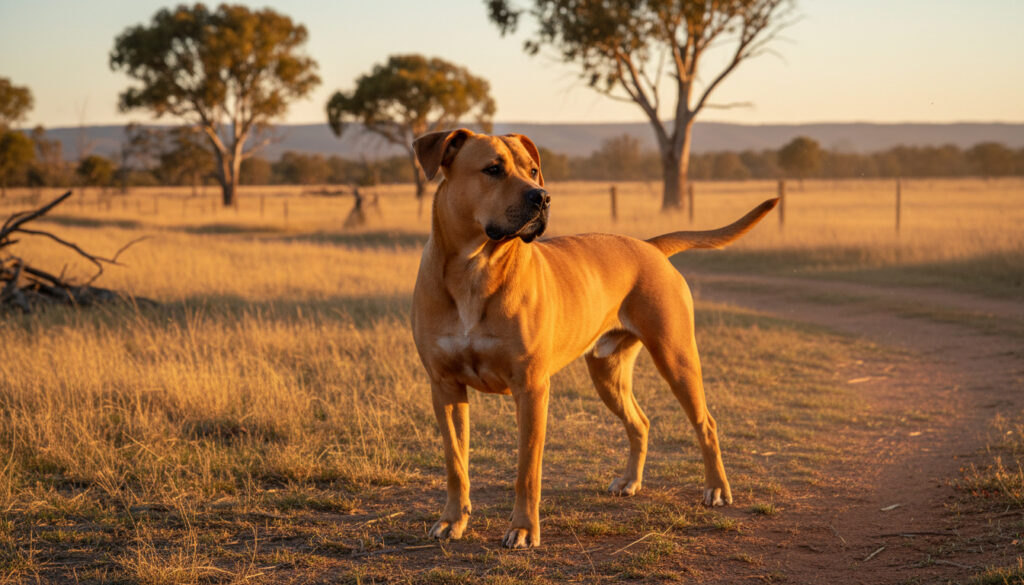
Bull Arab Dog – Size, Temperament, History and Care
The Bull Arab, also known as the Australian Pig Dog or Aussie Pig, represents a distinctive hybrid working dog developed in Australia during the 1970s. This large, athletic breed combines the tenacity of the Bull Terrier, the speed of the Greyhound, and the scenting prowess of the German Shorthaired Pointer to create a versatile hunter capable of tracking and holding wild pigs across demanding terrain.
Unlike standardized pure breeds, the Bull Arab remains a functional hybrid valued primarily for working ability rather than aesthetic conformity. These dogs demonstrate profound loyalty and athleticism, yet they demand experienced handlers capable of managing intense energy levels and a powerful prey drive. Only owners committed to rigorous daily exercise and consistent training should consider this breed.
Despite their effectiveness as working dogs, Bull Arabs face significant challenges in domestic environments. High surrender rates at Australian shelters reflect a pattern of owners underestimating the breed’s substantial exercise and management requirements, making thorough research essential before acquisition.
What is a Bull Arab Dog?
| Origin Australia (1970s) |
Height 60-70 cm (24-28 inches) |
Weight 30-50 kg (66-110 lbs) |
Lifespan 12-15 years |
- Hybrid of Bull Terrier, Greyhound, and German Shorthaired Pointer
- Specifically developed for pig hunting in 1970s Australia
- Not recognized as a standardized pure breed by major kennel clubs
- Requires 1+ hours of vigorous daily exercise
- Demonstrates high trainability with consistent positive reinforcement
- Remains legal in Australia without breed-specific bans
- Experiences high shelter surrender rates due to management intensity
| Trait | Details |
|---|---|
| Foundation Breeds | Bull Terrier, Greyhound, German Shorthaired Pointer |
| Height Range | 60-70 cm (24-28 inches) at shoulder |
| Weight Range | 30-50 kg (66-110 lbs), some lines up to 92 lbs |
| Coat Type | Short, smooth, low-maintenance |
| Common Colors | White with black, tan, brindle, fawn, or brown patches |
| Primary Function | Hunting wild pigs and large game |
| Exercise Requirements | High (minimum 1 hour daily running/hiking) |
| Grooming Needs | Moderate (weekly brushing) |
| Trainability | High intelligence, requires experienced handler |
| Legal Status | Not banned in Australia (unlike some Pitbull classifications) |
Australian breeder Mike Hodgens originated the Bull Arab in the 1970s by selectively crossing the three foundation breeds. The combination sought the Bull Terrier’s jaw strength and holding power, the Greyhound’s explosive speed, and the German Shorthaired Pointer’s exceptional scent-tracking ability and stamina. WagWalking documents this tripartite heritage as central to the breed’s working success.
Bull Arab Physical Characteristics and Size
How Big Do Bull Arab Dogs Get?
Bull Arabs present as large, muscular, and well-proportioned athletes. Males typically stand 60-70 cm (24-28 inches) at the shoulder, with females occasionally slightly smaller. Weights range from 30-50 kg (66-110 lbs), though some hunting lines may reach 92 lbs. Dial A Vet confirms these measurements reflect the breed’s substantial bone structure and athletic build.
The breed’s considerable mass and muscle density create significant physical power. Owners must recognize that an adult Bull Arab can generate up to 50 kg of pulling force during walks, necessitating appropriate restraint equipment and handler preparedness.
Coat Colors and Maintenance
The coat remains short, smooth, and weather-resistant, requiring minimal grooming beyond weekly brushing. Color patterns typically feature predominantly white bases with patches of black, tan, brindle, fawn, or brown. This low-maintenance coat type suits outdoor working conditions while reducing allergen concerns compared to longer-haired breeds.
Lifespan and Health Expectations
Bull Arabs generally live 12-15 years when provided appropriate care. Their hybrid genetics may confer hybrid vigor, though potential health concerns include joint strain from high-impact activities, ear infections associated with floppy ears, and the variable genetic outcomes inherent in mixed breeding programs. Regular veterinary monitoring supports longevity in these active dogs.
Bull Arab Temperament and Family Suitability
Are Bull Arab Dogs Naturally Aggressive?
Aggression does not define the breed’s inherent nature, but behavioral outcomes depend heavily on management. Lyka Pet Food reports that Bull Arabs exhibit loyal, intelligent, confident, and protective temperaments when properly trained. However, insufficient exercise or inadequate socialization frequently leads to destructive behaviors including chewing, digging, excessive barking, and reactive aggression.
Is a Bull Arab a Good Family Dog?
Bull Arabs form deep bonds with family members and demonstrate affection toward household members. They generally behave gently with children, though their substantial size and strength necessitate supervision, particularly with younger children. The breed thrives in active households where they receive consistent attention and structured activities.
Managing Prey Drive and Small Animals
The breed retains strong sighthound and scenthound genetics, creating intense prey drives directed toward moving objects and tracked scents. Without early intervention, Bull Arabs may chase cats, small dogs, or wildlife. Success with multi-pet households requires intensive early socialization, though some individuals may never safely coexist with small animals.
Training, Care, and Ownership for Bull Arabs
Essential Training Requirements
Training demands begin immediately in puppyhood and continue throughout the dog’s life. Dog Learn emphasizes that consistent positive reinforcement yields the best results with this intelligent but strong-willed breed. Structured obedience training, impulse control exercises, and recall reliability remain non-negotiable safety components.
Bull Arabs require minimum one hour of vigorous daily activity including running or hiking. Confinement without adequate physical and mental stimulation inevitably produces behavioral pathologies including destruction and escape attempts.
Daily Care Protocols
Management extends beyond exercise to include secure containment with tall fencing, as these athletic dogs possess jumping capabilities. PetCloud recommends front-clip harnesses or basket muzzles during walks to manage the breed’s capacity for sudden, powerful pulling that could injure handlers.
Given the breed’s strength, investing in front-clip harnesses prevents pulling injuries. Basket muzzles provide additional safety margins during training phases or in high-distraction environments.
Acquisition Costs and Legal Status
Puppy prices in Australia typically range from $1,000 to $3,000 AUD, varying by breeder reputation, lineage, and working potential. Video documentation confirms availability through hunting networks and specialized breeders, though rescue organizations frequently house surrendered adults. Prospective owners should consult local councils regarding specific regulations, as management restrictions may apply despite the absence of nationwide bans. Those researching ownership requirements might also review the Allianz CTP Renewal Online – Step-by-Step NSW QLD Guide for regional compliance standards.
Bull Arab vs Pitbull and Similar Breeds
Bull Arabs typically exceed American Pit Bull Terriers in both height and weight. While Pit Bulls average 45-60 cm in height and 14-27 kg in weight, Bull Arabs stand 60-70 cm and weigh 30-50 kg. The Greyhound influence in Bull Arabs produces superior stamina and speed compared to the Pit Bull’s stockier, more compact frame.
Temperamentally, both breeds demonstrate loyalty and protective instincts, though Bull Arabs possess more pronounced prey drives derived from their hunting specialization. Legal distinctions remain significant: Pit Bulls face breed-specific legislation including bans or muzzling requirements in Queensland, New South Wales, and the Australian Capital Territory, while Bull Arabs currently avoid such restrictions due to their classification as a hunting hybrid rather than a restricted pitbull type.
Historical Development of the Bull Arab Breed
- 1970s: Mike Hodgens initiates development in Australia by crossing Bull Terriers with Greyhounds and German Shorthaired Pointers specifically for pig hunting applications. Breed historians document this period as the functional genesis of the type.
- Late 1970s-1980s: The hybrid gains recognition among Australian hunters for its ability to locate, bail, and hold wild boars over difficult terrain, establishing reputation as a premier working dog.
- 1990s-2000s: Selective breeding refines the type while maintaining working functionality; gradual transition begins toward family companionship roles while preserving hunting instincts.
- 2010s-Present: Popularity increases beyond hunting communities, leading to elevated acquisition by non-working households; concurrent rise in shelter surrenders reflects suitability challenges for average pet owners.
Established Facts and Persistent Questions
| Established Information | Uncertain or Variable Information |
|---|---|
| Three foundation breeds: Bull Terrier, Greyhound, German Shorthaired Pointer | Exact genetic proportions in modern unregistered lines |
| Developed in 1970s Australia by Mike Hodgens | Consistency of temperament across different breeding programs |
| Not recognized as pure breed by major kennel clubs | Future legislative classifications in changing regulatory environments |
| Requires minimum 1 hour daily vigorous exercise | Long-term genetic health outcomes for multi-generational hybrids |
| Legal status remains unbanned in Australian jurisdictions | Standardization potential for breed recognition |
The Bull Arab in Australian Working Culture
The Bull Arab occupies a unique niche within Australian agricultural and hunting traditions. Developed specifically to address the ecological and agricultural threat posed by feral pig populations, these dogs enabled hunters to manage destructive wildlife across vast, rugged landscapes. Their capacity to work independently while maintaining handler cooperation made them indispensable assets in remote station work.
Transition to companion animal status has created tension between the breed’s functional genetics and domestic requirements. Modern ownership contexts rarely provide the extensive land access and active hunting opportunities that shaped the breed’s development. This displacement explains much of the behavioral frustration observed in pet environments, where instincts for pursuit and capture receive insufficient appropriate outlets.
Regulatory frameworks reflect this duality. While working dogs often receive exemptions from restrictions applied to companion animals, owners navigating these distinctions should verify local requirements. Resources like the Act Rego Check – Free Online Verification Guide demonstrate the type of administrative verification increasingly relevant to specialized dog ownership in regulated jurisdictions.
Expert Perspectives and Source Documentation
“Loyal, intelligent, confident, affectionate, and protective, Bull Arabs form deep bonds with families and thrive on having a ‘job,’ making them good watchdogs and companions for active households.”
Canine behavioral documentation via breed guides and veterinary sources
“Without sufficient exercise or training, they may become destructive or aggressive, contributing to high surrender rates in Australia.”
Animal welfare observations from Australian rescue organizations
Key Considerations for Potential Owners
The Bull Arab suits experienced handlers with active lifestyles, secure properties, and time for daily training and exercise. Novice owners, apartment dwellers, or those seeking low-energy companions should select alternative breeds. Success requires commitment to early socialization, ongoing obedience work, and acceptance of the breed’s strong prey drive.
Frequently Asked Questions
Are Bull Arabs banned in Australia?
No. Bull Arabs remain legal throughout Australia without breed-specific legislation, unlike Pit Bulls which face restrictions in Queensland, New South Wales, and the ACT. Always verify local council regulations.
How much does a Bull Arab puppy cost?
Prices typically range from $1,000 to $3,000 AUD depending on breeder reputation, lineage, and working potential. Rescue organizations frequently have adults available for lower fees.
Do Bull Arabs shed heavily?
No. Their short, smooth coats require only weekly brushing and shed minimally compared to longer-haired breeds. Regular grooming maintains coat health.
Can Bull Arabs live with cats?
Early socialization improves coexistence chances, but their strong prey drive makes cat compatibility unpredictable. Some individuals tolerate cats while others remain unsafe around small animals.
How much daily exercise do they need?
Minimum one hour of vigorous activity including running or hiking. Mental stimulation through training or puzzle toys supplements physical exercise.
Are they good guard dogs?
Yes. Their protective instincts, size, and alertness make effective watchdogs. However, their primary value lies in working ability rather than protection work.
What health problems are common?
Potential issues include joint strain from high-impact activity, ear infections due to floppy ears, and variable genetic outcomes. Regular veterinary checks support prevention.
More related posts
 Tallow and Honey Balm: Benefits, Risks & Where to Buy
 Australia Women’s National Football Team Games: Fixtures & Live
 Jackson Rathbone: Ethnicity, Age, Wig & Net Worth
 Adidas Adizero EVO SL Review: Speed-Inspired Daily Trainer (2025)
 Fine Line Tattoo: Pros, Cons & Longevity Guide
 Tim Rogers: Writer, Musician, and Gospel Singer – Key Facts
 How Much Protein Should I Have a Day? A Complete Guide
 Adam Zampa: Wife, Children, Stoinis Friendship & IPL Career
