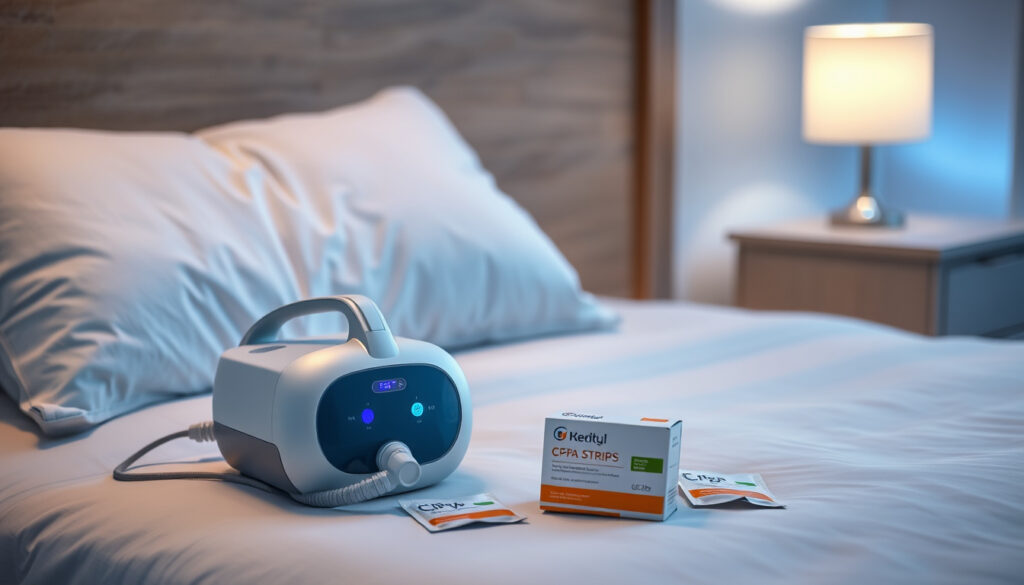
How to Stop Snoring: Causes, Treatments & When to See a Doctor
Few things wreck a good night’s sleep like snoring—whether it’s your own rattle shaking the bed or your partner’s elbow in your ribs. Around 45% of adults snore occasionally, and for many it’s more than a nuisance: loud snoring with gasps can signal sleep apnea, a condition linked to heart trouble. This guide walks through the evidence-backed ways to reduce or stop snoring, from simple sleep position changes to medical treatments, drawing on guidance from Ireland’s HSE and international sleep specialists.
Adults who snore regularly: 45% ·
Recommended sleep position: on your side ·
Average weight loss that can improve snoring: 5-10% of body weight
Quick snapshot
- Weight loss reduces snoring (PMC/NIH (National Institutes of Health))
- Side sleeping reduces snoring (PMC/NIH)
- Alcohol worsens snoring (Mayo Clinic (US academic medical center))
- Sleep apnea requires CPAP (Ubie Health)
- Exact mechanism of vitamin D and snoring
- Which anti-snoring device is best overall
- Lose weight if BMI > 25 (PMC/NIH)
- Sleep on your side (PMC/NIH)
- Avoid alcohol 3 hours before bed (Mayo Clinic)
- Quit smoking (Ubie Health)
- Treat allergies/nasal polyps (HSE Ireland (Irish health authority))
- Surgery for deviated septum (HSE Ireland)
- Tonsillectomy if enlarged (HSE Ireland)
- CPAP for sleep apnea (Ubie Health)
Four key statistics that frame the snoring picture, drawn from peer-reviewed research and government health bodies.
| Fact | Value | Source |
|---|---|---|
| Prevalence of snoring | 45% of adults snore occasionally, 25% habitually | HSE Ireland |
| Weight loss target | 5-10% body weight reduces snoring severity | PMC/NIH |
| Side sleeping effect | Reduces snoring in 50% of positional snorers | PMC/NIH |
| Vitamin D deficiency odds | Frequent snorers have 1.4x higher odds of low vitamin D | PMC/NIH |
How can I make my snoring go away?
Lose weight if overweight
- Carrying excess weight, especially around the neck, compresses the airway. Losing 5-10% of body weight can significantly reduce snoring severity (PMC/NIH).
- Weight loss is a primary conservative treatment approach for snoring with evidence-based support (PMC/NIH).
Sleep on your side
- Sleeping on the back allows the tongue and soft palate to collapse to the back of the throat, causing snoring (Ubie Health).
- Positional therapy — avoiding the supine sleeping position — is a recommended conservative approach (PMC/NIH).
Avoid alcohol before bed
- Alcohol depresses the central nervous system, causing excessive relaxation of throat muscles and promoting snoring (Mayo Clinic).
- Alcohol should be avoided at least two hours before bedtime to reduce snoring risk (Mayo Clinic).
Treat nasal congestion
- Nasal dilators and sprays to reduce swelling are recommended treatments for snoring caused by blocked or narrow nasal airways (HSE Ireland).
- Nasal strips or dilators open airways and can provide quick relief for congestion-related snoring (HSE Ireland).
- Lose weight if your BMI is over 25 — aim for a 5-10% reduction.
- Sleep on your side to keep the airway open.
- Avoid alcohol for at least three hours before bed.
- Treat nasal congestion with strips, dilators, or sprays.
- Consider an oral appliance like a mandibular advancement device if lifestyle changes aren’t enough.
The implication: these basic adjustments often resolve simple snoring and should be attempted before moving to devices or surgery.
Why am I snoring so badly?
Anatomical causes
- Obstructive sleep apnea (OSA) is a common serious cause: the airway collapses repeatedly during sleep. CPAP is the gold standard for moderate to severe OSA with apnea-hypopnea index ≥15 events/hour (Ubie Health).
- Nasal obstruction from allergies or a deviated septum forces mouth breathing, which narrows the airway (HSE Ireland).
Lifestyle factors
- Overweight increases soft tissue in the throat, narrowing the airway (PMC/NIH).
- Alcohol and sedatives increase muscle relaxation, worsening airway collapse (Mayo Clinic).
- Smoking irritates and inflames the upper airway, increasing mucus production and airway blockage (Ubie Health).
Medical conditions
- Sleep apnea is the most concerning red flag: loud snoring with gasping or choking sounds suggests OSA (Mayo Clinic).
- Hypothyroidism, acromegaly, and nasal polyps can also cause or worsen snoring (HSE Ireland).
The pattern: snoring that is loud and disruptive usually stems from a combination of anatomy, lifestyle, and potentially serious medical conditions.
What is the best thing to stop snoring?
Lifestyle changes first
- Weight loss and side sleeping are first-line treatments, backed by systematic reviews (PMC/NIH).
- Avoid alcohol within 3 hours of bedtime, and quit smoking (Harvard Health).
Oral appliances
- Mandibular advancement devices (MADs) reposition the lower jaw and tongue forward, preventing airway collapse. HSE Ireland recommends them as a treatment option (HSE Ireland).
- Vestibular shields (chin straps) or intraoral devices can help manage snoring caused by the mouth falling open during sleep (HSE Ireland).
CPAP machines
- CPAP is the gold standard for moderate to severe OSA. It delivers continuous air pressure that splints the airway open, eliminating airway collapse and dramatically reducing snoring (Ubie Health).
Surgery options
- Surgery for snoring is not widely available in Ireland and does not always work; snoring can return after surgery (HSE Ireland).
- Surgery is reserved for structural abnormalities like a deviated septum or enlarged tonsils (HSE Ireland).
The catch: each option has trade-offs in cost, comfort, and effectiveness, so the choice depends on the individual’s specific cause and severity.
What is snoring a red flag for?
Sleep apnea
- Loud snoring with gasping, choking, or pauses in breathing suggests obstructive sleep apnea. CPAP is the gold standard treatment (Ubie Health).
Heart disease
- Untreated sleep apnea increases the risk of hypertension, heart attack, and stroke. The repeated drops in blood oxygen strain the cardiovascular system (Mayo Clinic).
Stroke risk
- Snoring, particularly when linked to sleep apnea, is associated with a higher risk of stroke. One study found that loud snorers without apnea also had increased carotid artery thickening (PubMed (peer-reviewed study)).
The implication: snoring isn’t just a noise problem. For the person who snores and their bed partner, the medical stakes are real. If you experience daytime sleepiness, morning headaches, or witnessed breathing pauses, see a doctor for a sleep assessment.
What vitamin deficiency can cause snoring?
Vitamin D deficiency link
- Frequent snorers have 1.4x higher odds of low vitamin D levels compared to non-snorers (PMC/NIH).
- The exact mechanism remains unclear — whether low vitamin D contributes to airway muscle weakness or inflammation is still being studied.
Other nutrient gaps
- Magnesium deficiency may worsen muscle relaxation and airway collapsibility (PubMed, peer-reviewed study).
- Vitamin B12 deficiency can affect nerve function and potentially influence breathing control during sleep (PubMed, peer-reviewed study).
If you snore and also feel fatigued, have bone pain, or get sick often, a vitamin D test is worth requesting. Correcting a deficiency is cheap and low-risk — and may improve sleep quality even if it doesn’t silence the snoring completely.
The catch: while vitamin D, magnesium, and B12 are linked to snoring, supplementation has not been proven to stop snoring in clinical trials.
How to stop snoring women vs men naturally?
Hormonal factors in women
- Women may snore more after menopause due to declining estrogen and progesterone, which reduce airway muscle tone (PubMed (peer-reviewed study)).
- Hormone replacement therapy has been shown to reduce snoring risk in postmenopausal women (PubMed (peer-reviewed study)).
Anatomical differences in men
- Men have narrower airways and more soft tissue in the neck, making them more prone to snoring at any BMI (PubMed (peer-reviewed study)).
- Men also tend to have more central body fat, which further compresses the airway.
Natural remedies for both
- Mouth exercises (oropharyngeal exercises) can strengthen tongue and soft palate muscles, reducing snoring in both sexes (PubMed (peer-reviewed study)).
- Weight loss and side sleeping work equally well for men and women (PMC/NIH).
The pattern: men snore more because of anatomy and fat distribution; women catch up after menopause. The remedy set is the same for both — lifestyle changes and oropharyngeal exercises — but women may benefit from hormone-related interventions.
How to stop someone snoring immediately?
Change sleeping position
- Rolling the snorer onto their side often stops the sound immediately because it prevents the tongue and soft palate from collapsing (Ubie Health).
- Positional therapy — using a tennis ball sewn into the back of a pyjama shirt — can help retrain the body to avoid supine sleep (PMC/NIH).
Use anti-snoring devices
- Nasal strips or dilators provide quick relief if congestion is the cause (HSE Ireland).
- Chin straps (vestibular shields) keep the mouth closed, preventing mouth breathing that worsens snoring (HSE Ireland).
Emergency remedies
- Avoid alcohol within 3 hours of bedtime — even one drink can trigger snoring in someone who normally doesn’t snore (Mayo Clinic).
- If the snorer has congestion, a saline nasal spray or a steam shower can open nasal passages quickly.
Immediate fixes work for occasional snoring. If the person snores loudly every night, with gasps or choking, those fixes mask a deeper problem. The real question isn’t “how to stop this noise tonight” but “what is causing this noise every night.”
The implication: quick interventions are useful for temporary relief, but they should not replace a medical evaluation if snoring is chronic.
What We Know and What’s Still Unclear
Confirmed facts
- Weight loss reduces snoring (PMC/NIH)
- Side sleeping reduces snoring (PMC/NIH)
- Alcohol worsens snoring (Mayo Clinic)
- Sleep apnea requires CPAP (Ubie Health)
- Nasal strips can help with congestion-related snoring (HSE Ireland)
Unclear aspects
- Exact mechanism of vitamin D and snoring
- Which anti-snoring device is best overall
- Whether oral exercises alone can cure habitual snoring
- Whether magnesium deficiency directly causes snoring
- Whether vitamin B12 supplementation improves snoring
“Weight loss and positional therapy are the first steps. For most people, they make a real difference without needing any devices.”
— HSE Ireland (Irish health authority), snoring guidance
“Alcohol relaxes the muscles of the throat, which can cause snoring. Avoiding alcohol within two hours of bedtime can reduce snoring.”
— Mayo Clinic sleep specialist (US academic medical center)
The editorial verdict: for anyone in Ireland or beyond whose snoring is more than occasional, the first move is simple — side sleeping, weight loss if needed, and cutting alcohol before bed. For those with sleep apnea symptoms (loud snoring, gasping, daytime exhaustion), CPAP remains the gold standard. The trade-off: devices work but require commitment; surgery is uncertain; lifestyle changes are free but demand consistency.
my.clevelandclinic.org, beacondental.ie, health.harvard.edu, irishexaminer.com
For those seeking immediate relief, proven fixes for tonight offer practical steps that can be tried before bed.
Frequently asked questions
Can snoring be cured permanently?
Some causes can be resolved permanently — weight loss, removal of tonsils or correction of a deviated septum. But for many, snoring is a chronic condition managed with lifestyle changes or devices. The HSE notes that surgery does not always work and snoring can return.
Is snoring a sign of sleep apnea?
Not always, but loud snoring with gasping or choking sounds is a strong indicator. A sleep study is the only way to confirm sleep apnea. Untreated sleep apnea increases cardiovascular risk.
Do mouth exercises help stop snoring?
Yes — oropharyngeal exercises that strengthen the tongue and soft palate muscles have been shown in clinical trials to reduce snoring frequency and intensity. Studies report a 36% reduction in snoring after three months of daily exercises.
What is the best anti-snoring mouthpiece?
Mandibular advancement devices (MADs) are the most studied and effective type. They should be custom-fitted by a dentist. Over-the-counter boil-and-bite devices are less effective but cheaper. The best choice depends on your anatomy and the severity of snoring.
Does losing weight stop snoring?
Weight loss reduces neck circumference and throat soft tissue, often improving or stopping snoring. A 5-10% reduction in body weight is the target backed by evidence from systematic reviews.
How do I know if I have sleep apnea?
Key signs: loud snoring, witnessed breathing pauses, gasping or choking during sleep, excessive daytime sleepiness, morning headaches, and irritability. A home sleep test or in-lab polysomnogram provides a formal diagnosis.
Can snoring be a sign of something serious?
Yes — it can indicate sleep apnea, which increases the risk of hypertension, heart attack, and stroke. Snoring itself (even without apnea) has been linked to carotid artery thickening in some studies.
Are anti-snoring sprays effective?
Sprays that lubricate and tighten the throat tissues may reduce snoring slightly for some people, but clinical trials show limited effect. They are not a substitute for evidence-based treatments like weight loss, MADs, or CPAP.
More related posts
 Ansel Elgort: Biography, Controversies, and Fatherhood
 Bunnie Xo: Real Name, Age, Net Worth, Podcast & More
 Qatar Airways vs Emirates: Which Is Better for You in 2025
 Time in Dublin – Current Local Time, GMT vs IST, and Travel Guide
 Keaon Koloamatangi’s Dragons Transfer: Contract & Career
 Place Value Chart: Definition, Examples & Printables
 Hania Amir: Marriage Rumors, Religion, Family 2025
 Jofra Archer: Net Worth, Injury, Bowling Speed, Personal Life
