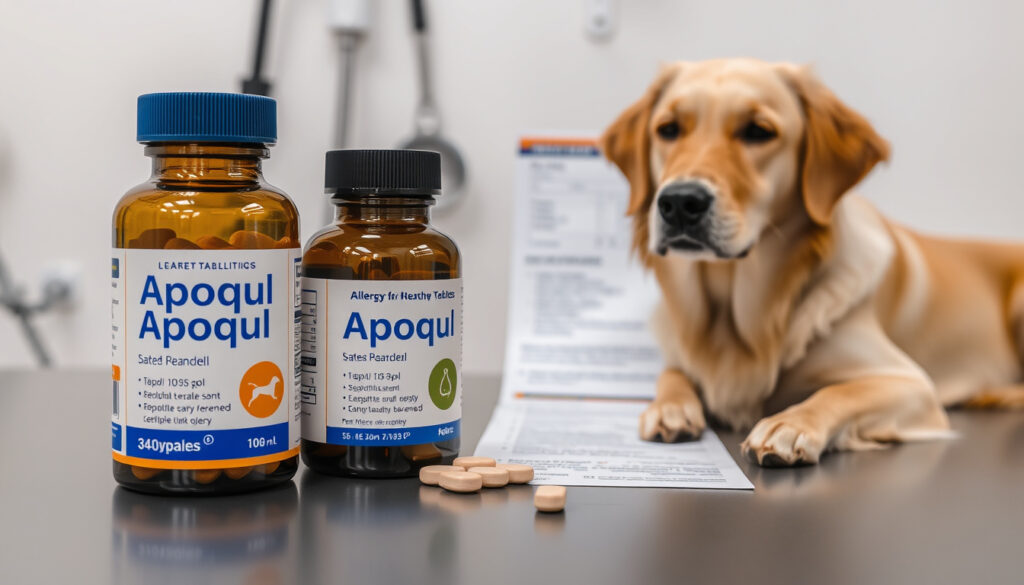
Apoquel for Dogs – Dosage, Side Effects and Safety Guide
Allergic skin conditions rank among the most frequent reasons dog owners seek veterinary care. When environmental allergens trigger relentless scratching, licking, and skin damage, finding effective relief becomes a priority. Apoquel represents one of the most widely discussed pharmaceutical options for managing canine pruritus, offering rapid action through a mechanism distinct from traditional steroids.
This guide examines the evidence surrounding Apoquel, including its approved uses, dosing requirements, documented side effects, and the ongoing scientific debate about its long-term safety profile. Understanding both the benefits and limitations helps dog owners make informed decisions in consultation with their veterinarians.
What Is Apoquel and How Does It Work for Dogs?
Apoquel is the brand name for oclacitinib, a Janus kinase (JAK) inhibitor approved by the FDA in 2013 for the control of pruritus associated with allergic dermatitis and the control of atopic dermatitis in dogs. Unlike corticosteroids that broadly suppress the immune system, Apoquel works by blocking specific enzymes that trigger itching and inflammation signals, providing targeted relief without the systemic side effects common to steroidal treatments.
Apoquel was the first non-steroidal, non-antibiotic medication specifically developed and approved for canine allergic itch, representing a significant advancement in veterinary dermatology when it received FDA approval in 2013.
Clinical studies demonstrate that Apoquel effectively controls itch in approximately 50% of atopic dogs within 24 hours of administration. The medication addresses both the scratching behavior and the underlying inflammatory response, making it particularly valuable for dogs suffering from seasonal allergies, food sensitivities, and environmental triggers like pollen, dust mites, and mold spores.
- FDA-approved specifically for canine allergic dermatitis and atopic dermatitis
- Works within 4 hours, with noticeable itch relief in most dogs within one day
- Does not contain corticosteroids, avoiding common steroidal side effects
- Administered orally as a tablet, not an injection
- Suitable for dogs over 12 months old and weighing at least 3 pounds
- Can be used short-term for allergy flare-ups or long-term under veterinary supervision
| Specification | Details |
|---|---|
| FDA Approval Year | 2013 |
| Minimum Age | 12 months |
| Minimum Weight | 3 pounds (1.4 kg) |
| Drug Class | Janus kinase (JAK) inhibitor |
| Initial Dosing Frequency | Every 12 hours (twice daily) |
| Maintenance Dosing | Once daily |
| Dose Range | 0.4-0.6 mg per kg of body weight |
| Common Side Effect | Vomiting (usually mild) |
| Response Rate | Approximately 50% show significant improvement |
Apoquel Dosage and Administration for Dogs
Understanding the Weight-Based Dosing Schedule
Apoquel dosing follows a precise weight-based formula of 0.4 to 0.6 milligrams per kilogram of body weight. Veterinarians typically prescribe the lower end of this range initially, with adjustments based on the individual dog’s response. The medication comes in three tablet strengths: 3.6 mg, 5.4 mg, and 16 mg, allowing for accurate dosing across different dog sizes.
The treatment protocol consists of two phases. During the first 14 days, dogs receive the medication every 12 hours to achieve rapid control of itching and inflammation. After this initial period, most dogs transition to once-daily administration for maintenance therapy. Pet owners should never exceed the prescribed dose, as higher amounts may lead to immune suppression and other adverse effects.
Giving Apoquel with food can help minimize gastrointestinal side effects like vomiting and diarrhea. If your dog vomits shortly after taking the medication, consult your veterinarian before administering another dose.
Which Dogs Should Not Receive Apoquel?
Apoquel carries specific contraindications that veterinarians consider before prescribing. Dogs under 12 months of age should not receive this medication, as clinical trials revealed unacceptably high rates of demodicosis (a skin condition caused by mites) and pneumonia in young dogs. The drug also is not appropriate for dogs with serious active infections, pre-existing cancers, or lactating females, due to insufficient safety data in these populations.
Before starting Apoquel, veterinarians typically perform a thorough examination and may recommend baseline bloodwork to establish reference values. This is particularly important for dogs with a history of medical conditions or those expected to require long-term treatment. Regular monitoring through follow-up blood tests helps detect any changes in blood cell counts or organ function that might indicate a developing problem.
Side Effects and Safety Concerns of Apoquel in Dogs
Common and Mild Side Effects
The most frequently reported side effects of Apoquel involve the gastrointestinal system and general demeanor. Vomiting, diarrhea, and decreased appetite occur in a meaningful percentage of dogs, particularly during the initial dosing period. Lethargy and mild listlessness also appear in some cases. These effects are typically transient and often resolve as the dog adjusts to the medication.
Research indicates that approximately 6% of dogs in short-term studies experienced abnormal health events significant enough to warrant withdrawal from the medication. Giving the tablets with food can help reduce the incidence of digestive upset. Pet owners should monitor their dogs closely during the first few weeks of treatment and report any persistent or concerning symptoms to their veterinarian promptly.
- Vomiting (most frequently reported)
- Diarrhea or soft stools
- Decreased appetite or anorexia
- Lethargy or reduced activity levels
- Nausea
Rare but Serious Adverse Events
Beyond the common gastrointestinal effects, Apoquel carries risks of more serious complications that warrant awareness. Bone marrow suppression occurs in approximately 1% of dogs, detected through bloodwork changes rather than obvious clinical signs. This suppression can result in decreased white blood cells, red blood cells, or platelets. Regular monitoring through complete blood counts helps identify these changes before they cause clinical illness.
Several dermatological and infectious conditions have been reported in dogs taking Apoquel. These include the development of subcutaneous or dermal masses, demodicosis, pneumonia, skin infections, ear infections, and urinary tract infections. The medication’s mechanism of action, which involves modulation of immune signaling, may contribute to increased susceptibility to certain infections and conditions.
Approximately 25% of dogs do not respond adequately to Apoquel treatment. Additionally, about 6% of dogs in clinical studies had to discontinue due to adverse health events. Monitor your dog closely and maintain regular veterinary check-ups during treatment.
Long-Term Use and Cancer Risk Considerations
The question of whether Apoquel increases cancer risk in dogs remains one of the most debated aspects of this medication. Field trials conducted by manufacturer Zoetis documented the development of neoplasms including mast cell tumors, lymphoma, and adenocarcinomas in some dogs after periods ranging from 52 to 392 days of treatment. These findings appear in the product labeling and have been discussed in both veterinary literature and independent reviews.
The interpretation of this data differs significantly between stakeholders. Zoetis and many veterinarians maintain that the incidence rates do not exceed background rates seen in the general dog population and that proper monitoring can identify problems early. Critics argue that the immunosuppressive effects of JAK inhibitors could theoretically allow existing precancerous cells to progress or increase susceptibility to tumor development. The scientific community has not reached consensus on this issue, and long-term epidemiological studies specifically designed to address this question remain limited.
Long-term use extending beyond six months has been associated in case reports with weight gain, increased susceptibility to yeast infections, low platelet counts, development of papillomas (warts), and lymph node inflammation. Dogs requiring extended treatment should undergo periodic comprehensive examinations including bloodwork and careful observation for any lumps, bumps, or changes in behavior or appetite.
Cost of Apoquel and Where to Get It
Apoquel is available by prescription only through veterinary clinics and licensed pet pharmacies. The medication is manufactured by Zoetis, formerly part of Pfizer’s animal health division. Pricing varies based on geographic location, pharmacy chosen, and tablet strength, but consumers can expect to pay approximately $92 for a 30-tablet supply at common retail pharmacies.
Monthly costs depend on the prescribed dose, which correlates with the dog’s weight. A small dog requiring a single low-dose tablet daily will spend considerably less than a large breed needing multiple higher-strength tablets. Some veterinary practices offer competitive pricing or pharmaceutical loyalty programs that can reduce costs for long-term users. Pet insurance policies increasingly cover Apoquel as a prescription medication, though coverage percentages and annual limits vary by provider and plan.
The initial twice-daily dosing period of up to 14 days requires double the tablets compared to maintenance once-daily therapy. Budget for this when estimating first-month expenses.
Generic alternatives to Apoquel have not entered the market, as oclacitinib remains under patent protection. Online pharmacies and pet specialty retailers offer the medication, though pet owners should verify that sources are legitimate and properly licensed to handle prescription veterinary medications. Some veterinarians offer written prescriptions allowing owners to comparison shop at their preferred pharmacy.
Best Alternatives to Apoquel for Dog Allergies
Pharmaceutical Alternatives
Cytopoint represents the most commonly discussed pharmaceutical alternative to Apoquel. This injectable medication contains a monoclonal antibody that neutralizes interleukin-31, a key protein involved in triggering itch sensations. Unlike Apoquel, Cytopoint is administered as a monthly injection by a veterinarian, eliminating daily pill administration challenges.
The monoclonal antibody approach means Cytopoint does not carry the same theoretical risks of bone marrow suppression or JAK inhibitor-associated cancer concerns, though it has its own safety profile considerations. Effectiveness varies between individual dogs, and some require additional allergy management strategies alongside the injection.
Traditional corticosteroids like prednisone remain an option for severe flare-ups, though the side effect profile including increased thirst, hunger, and potential long-term complications limits their suitability for chronic use. Antihistamines have limited efficacy for most allergic dogs but may provide some relief in mild cases. Your veterinarian can help determine which option best suits your dog’s specific situation and medical history.
Complementary and Supportive Approaches
Supporting skin and coat health through proper nutrition forms the foundation of any allergy management strategy. Fatty acid supplements containing omega-3 and omega-6 fatty acids may help improve skin barrier function and reduce inflammation. Some veterinary dermatologists recommend adding these supplements alongside pharmaceutical treatments to potentially lower required medication doses.
Environmental management can significantly impact allergy severity. Regular bathing with hypoallergenic or medicated shampoos removes allergens from the coat and soothes irritated skin. Air purifiers, frequent vacuuming, and limiting outdoor exposure during high pollen seasons may reduce allergen load. For dogs with confirmed food allergies, strict adherence to an elimination diet under veterinary guidance can identify trigger ingredients.
Allergen-specific immunotherapy, delivered through periodic injections or sublingual drops, offers a long-term approach that addresses the underlying immune system overreaction rather than just managing symptoms. This treatment requires initial allergy testing to identify specific triggers and several months to determine effectiveness. Success rates vary, but dogs that respond well may eventually reduce or eliminate the need for daily medications.
Apoquel Development and Approval History
Understanding the timeline of Apoquel’s development and regulatory approval provides context for evaluating its safety profile and the ongoing post-market research. The following chronology summarizes key milestones in the medication’s history.
- Pre-2013: Zoetis conducts extensive clinical trials evaluating oclacitinib’s efficacy and safety in client-owned dogs with allergic dermatitis.
- 2013: The FDA Center for Veterinary Medicine grants approval for Apoquel (oclacitinib) to control pruritus associated with allergic dermatitis and control of atopic dermatitis in dogs at least 12 months old.
- Post-approval monitoring: Zoetis and the FDA continue collecting post-market safety data, including reports of neoplasms, infections, and other adverse events documented in the product label.
- Ongoing research: Independent researchers and veterinary specialists continue studying long-term safety outcomes, with some publishing findings that conflict with manufacturer conclusions.
No significant FDA approval updates or labeling changes have occurred during 2024 or 2025, meaning the original 2013 approval and its accompanying warnings remain in effect. The debate between manufacturer safety claims and independent concerns continues to evolve as more real-world usage data becomes available.
What We Know and What Remains Unclear About Apoquel
Evaluating Apoquel requires distinguishing between well-established facts and areas where scientific understanding remains incomplete. This distinction helps dog owners and veterinarians make evidence-based decisions while acknowledging the inherent uncertainties in veterinary pharmacology.
| Established Information | Information That Remains Unclear |
|---|---|
| Provides rapid itch relief within 4 hours | Long-term cancer risk compared to untreated dogs |
| Approximately 50% of dogs show significant improvement | Which specific dogs are at highest risk for adverse effects |
| Common side effects include vomiting and diarrhea | Optimal duration of continuous use |
| Not approved for dogs under 12 months | Whether breakthrough infections can be prevented through monitoring |
| Can cause bone marrow suppression in approximately 1% of dogs | Interaction effects with other common medications |
| Approved by FDA in 2013 for allergic dermatitis | Whether generic formulations will become available |
The disagreement between manufacturer claims of acceptable safety and independent concerns about long-term risks reflects genuine scientific uncertainty rather than settled science. Pet owners should discuss these nuances with their veterinarians, weighing their dog’s specific allergy severity, quality of life impacts, and individual risk factors when deciding on treatment approaches.
Understanding Allergic Skin Disease in Dogs
Canine atopic dermatitis and allergic skin disease represent some of the most common chronic conditions affecting dogs worldwide. These conditions develop when the immune system overreacts to normally harmless environmental substances, triggering inflammation and the persistent urge to scratch that characterizes allergic itch.
The pathophysiology involves a complex cascade of immune signaling, with interleukin-31 playing a particularly important role in transmitting itch sensations. This is the same protein targeted by Cytopoint. The itching leads to self-trauma from scratching and licking, which damages the skin barrier and allows secondary bacterial and yeast infections to develop, creating a cycle of worsening symptoms that can significantly impact a dog’s quality of life and the owner’s bond with their pet.
Diagnosing allergic skin disease requires ruling out other causes of itching, including parasites, fungal infections, and food allergies. Veterinarians often recommend diagnostic tests including skin scrapings, cytology, and sometimes food elimination trials before initiating specific allergy treatments. This thorough approach ensures that medications like Apoquel are used appropriately for confirmed allergic conditions rather than masking symptoms from undiagnosed underlying problems.
What Veterinarians and Researchers Say
Veterinary perspectives on Apoquel span a wide spectrum, reflecting both the genuine benefits some dogs experience and legitimate concerns about potential risks. Clinical experience from veterinary dermatologists indicates that Apoquel is well-tolerated in the majority of patients, with an estimated 1,000 or more dogs started on the medication in practice settings with rare observed side effects.
Apoquel has been a game-changer for many dogs with allergies, providing relief where other treatments failed. However, it is not a decision to make lightly, and regular monitoring is essential for any dog on long-term therapy.
— Veterinary dermatology perspectives on oclacitinib use in clinical practice
Some holistic and integrative veterinarians approach Apoquel from a different angle, viewing chronic allergic conditions as manifestations of underlying immune dysregulation that may be exacerbated by immunosuppressive medications. These practitioners often recommend supporting overall immune function through nutrition, gut health optimization, and stress reduction alongside or instead of pharmaceutical intervention.
When addressing allergies in dogs, we must consider the whole dog, not just the symptom of itching. Supporting the microbiome and addressing Qi deficiency through dietary and lifestyle modifications can sometimes reduce or eliminate the need for immunosuppressive drugs.
— Integrative veterinary perspectives on canine allergy management
The American Veterinary Medical Association provides general guidance on allergies in dogs but does not specifically endorse or caution against particular pharmaceutical products. Pet owners seeking to make informed decisions should consult directly with their veterinarian, discuss the full range of options, and ensure they understand both the potential benefits and risks applicable to their individual dog’s circumstances.
Key Takeaways for Dog Owners
Apoquel offers a viable option for managing allergic itch in dogs, with documented efficacy in a significant percentage of patients and a faster onset of action than many alternatives. The medication works by targeting specific immune pathways involved in itching and inflammation, providing relief that many dog owners describe as transformative for their pet’s quality of life.
However, Apoquel is not appropriate for every dog or every situation. Puppies under one year, dogs with active infections or cancer, and lactating females should not receive this medication. The documented risks of bone marrow suppression, increased infection susceptibility, and reported neoplasms mean that informed use requires veterinary supervision and regular monitoring rather than long-term administration without oversight.
Weighing these considerations, dog owners facing the challenge of managing allergic skin disease should engage in detailed conversations with their veterinarian about Apoquel, its alternatives, and complementary approaches. Every dog’s medical history, allergy severity, and response to treatment differs, making individualized assessment essential. For dog owners interested in learning more about breed-specific health considerations and allergy management, exploring resources on dog breed health characteristics may provide useful context for understanding inherited conditions and breed predispositions.
Frequently Asked Questions About Apoquel for Dogs
Does Apoquel make dogs sleepy?
While lethargy has been reported in some dogs taking Apoquel, it is not among the most common side effects. If your dog appears unusually tired or sedated after starting Apoquel, discuss this with your veterinarian.
Can I stop giving my dog Apoquel abruptly?
No. Discontinuing Apoquel should be done gradually using a tapering or microdosing approach to avoid triggering severe itch flare-ups. Always consult your veterinarian before making any changes to your dog’s medication regimen.
Is Apoquel safe for senior dogs?
There are no specific age restrictions beyond the minimum 12-month requirement. However, senior dogs should undergo periodic bloodwork monitoring to check for bone marrow changes and other potential issues during long-term treatment.
How does Apoquel compare to Cytopoint?
Apoquel is an oral tablet administered daily, while Cytopoint is a monthly injection. Both target itch pathways but through different mechanisms. Some dogs respond better to one than the other, and your veterinarian can help determine which approach suits your dog.
Can Apoquel be used with other allergy medications?
Your veterinarian may recommend combining Apoquel with other treatments such as fatty acid supplements, antihistamines, or topical therapies. Always inform your vet about all medications and supplements your dog is taking.
What should I do if my dog misses a dose of Apoquel?
Give the missed dose as soon as you remember, then continue with the regular schedule. Do not double the dose to make up for a missed one. If you frequently forget doses, discuss strategies with your veterinarian.
Are there any natural alternatives to Apoquel?
Some owners explore complementary approaches including omega fatty acid supplements, modified diets, and allergen-specific immunotherapy. These alternatives vary in effectiveness and should be discussed with your veterinarian.
How long can a dog safely stay on Apoquel?
The medication is approved for both short-term and long-term use under veterinary supervision. The appropriate duration depends on your dog’s individual response, the severity of symptoms, and ongoing monitoring results.
More related posts
 Adam Zampa: Wife, Children, Stoinis Friendship & IPL Career
 Broncos vs Warriors – Match Result and Highlights
 Luther Vandross: Cause of Death, Net Worth, and Legacy
 Hope Sandoval: Biography, Music Career, and Personal Life
 Shaun Tan: Biography, Works, Facts, Quotes & Ethnicity
 Frankie Valli 2025: Net Worth, Family, and Current Work
 Joe Keery: Biography, Relationships, and Myths Debunked
 Felicity Blunt: Literary Agent and Stanley Tucci’s Wife
