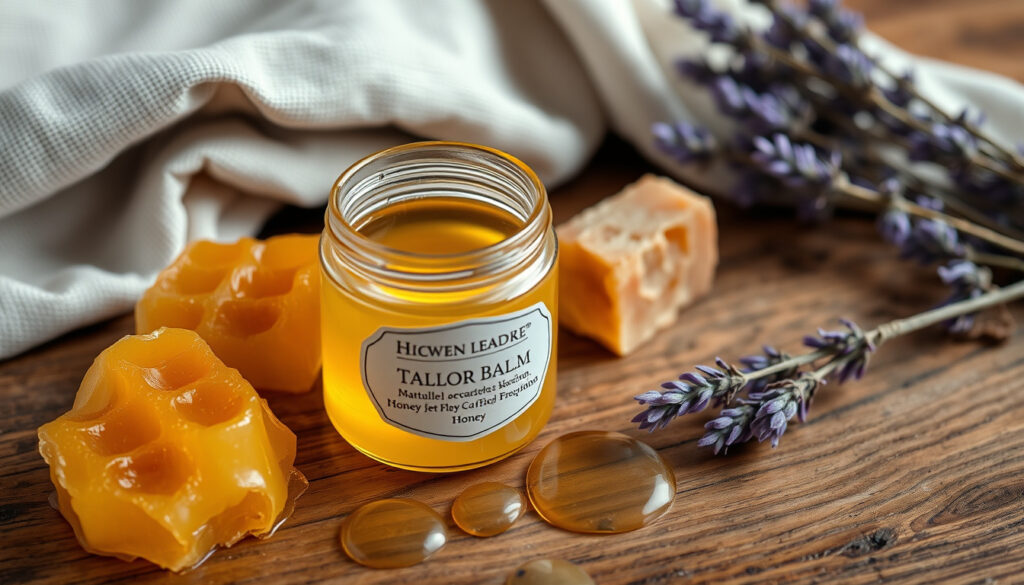
Tallow and Honey Balm: Benefits, Risks & Where to Buy
You’ve likely seen it on your feed: a jar of yellow-tinged balm touted as nature’s answer to expensive moisturizers. Tallow and honey balm blends rendered beef fat with raw honey, promising everything from wrinkle reduction to eczema relief. But does the science back the hype? This article breaks down what dermatologists actually say, how the ingredients stack up against modern skincare, and whether this ancient remedy deserves a spot in your routine.
Primary ingredients: Grass-fed beef tallow and raw honey ·
Key vitamins: A, D, E, K ·
Traditional use: Used in skincare for centuries ·
Dermatologist consensus: Mixed, some caution against pore-clogging
Quick snapshot
- A blend of grass-fed beef tallow and raw honey (GoodRx (health information platform))
- Traditional natural moisturizer used for centuries (Prevention (health and beauty magazine))
- Rich in fat-soluble vitamins A, D, E, K (HMGS Dermatology (dermatology practice))
- Deeply moisturizes without synthetic additives (Scripps Health (California-based nonprofit health system))
- Honey provides antibacterial and humectant properties (PMC (National Institutes of Health research))
- May soothe eczema and dry skin (Prevention)
- Caution about comedogenicity for acne-prone skin (GoodRx)
- Lack of robust clinical trials for anti-aging claims (Peach Dermatology (board-certified dermatology practice))
- Some recommend patch testing before use (Scripps Health)
- Apply a small amount to clean skin (GoodRx)
- Best as a night cream or for dry patches (Prevention)
- Store in a cool place to avoid separation (YouTube (dermatologist educational video))
Five key facts about tallow and honey balm at a glance: the ingredient profile is simple, but what you get depends heavily on sourcing and your skin type.
| Fact | Value |
|---|---|
| Main ingredients | Grass-fed beef tallow, raw honey |
| Source | Grass-fed beef (pasture-raised) |
| Best for | Dry skin, aging concerns, eczema |
| Common brands | Ancestral Cosmetics, TALLOGEN, Evergreen |
| Price range | €12–€25 per 60g jar |
What is tallow and honey balm used for?
Tallow and honey balm is marketed as a multi-purpose natural moisturizer. Its advocates point to two ingredients with long histories: beef tallow, a rendered fat rich in fatty acids and vitamins, and raw honey, a humectant with antibacterial properties.
Is tallow and honey balm good for your face?
- Occlusive moisturizer: Tallow seals moisture into the skin, which can help very dry or barrier-compromised skin. Scripps Health (nonprofit health system) describes it as “heavy” but effective for dry patches.
- Honey’s role: Raw honey draws water into the skin and offers mild antimicrobial activity. A 2024 review in PMC (NIH journal database) confirms honey’s hydrating and wound-healing properties.
- Face application: Dermatologists are split. Some say it’s too rich for facial skin, especially the T-zone. Peach Dermatology advises against using tallow on the face due to its comedogenic potential.
Tallow delivers deep moisture for dry elbows and heels, but slathering it on your face may trigger breakouts if you have oily or combination skin.
Does tallow get rid of wrinkles?
No clinical trial has tested tallow specifically for wrinkle reduction. HMGS Dermatology (dermatology practice) notes that while tallow contains antioxidants, their effectiveness is limited compared to formulated anti-aging products like retinoids or peptides. The moisturizing effect may temporarily plump fine lines, but that’s true of any occlusive.
Is tallow really good for aging skin?
Aging skin tends to be drier, so tallow’s occlusive nature can help reduce transepidermal water loss. Prevention quotes a dermatologist saying tallow supports the skin barrier. However, the same PMC review found that plant-derived oils like pumpkin seed oil may outperform tallow in hydration and fatty acid delivery.
Why are dermatologists against tallow?
The skepticism isn’t about tallow being “bad” — it’s about context. Dermatologists evaluate ingredients by their comedogenic rating, evidence base, and suitability for different skin types.
What are the disadvantages of tallow for skin?
- Comedogenic potential: GoodRx warns that beef tallow may clog pores, especially for those with oily or acne-prone skin. No official comedogenic scale rating exists for tallow, but anecdotal reports place it between 2–3 (moderate).
- Lack of scientific evidence: Peach Dermatology states that anti-aging claims for tallow are not supported by peer-reviewed human studies.
- Potential irritation: Scripps Health advises those with sensitive skin to patch test, as tallow can cause irritation or worsen conditions like rosacea.
- No UV protection: HMGS Dermatology emphasizes that tallow does not replace sunscreen.
Dermatologists aren’t anti-tallow — they’re anti-unsubstantiated claims. For the right skin type and body area, tallow can work; for the face of someone with acne-prone skin, it’s a gamble.
Why this matters: The TikTok narrative paints tallow as a “pure” alternative, but dermatology’s stance is that purity doesn’t equal safety or efficacy for everyone.
How to make tallow and honey balm at home?
Making your own balm gives you control over ingredients and sourcing. The basic process is straightforward, but proper sanitation and ratios matter.
What ingredients are needed?
- 1 cup grass-fed beef tallow (rendered yourself or purchased from a trusted source)
- 2 tablespoons raw honey (local or manuka for antibacterial potency)
- Optional: 10–15 drops of essential oil (lavender or frankincense for fragrance)
What is the step-by-step process?
- Gently melt the tallow in a double boiler over low heat until liquid.
- Remove from heat and let it cool slightly (but not solidify).
- Stir in the raw honey until fully incorporated. Honey will not fully dissolve — it remains suspended.
- Add optional essential oils and stir.
- Pour into a clean glass jar and allow to set at room temperature. Refrigeration speeds setting but is not required.
- Store in a cool, dark place. Use within 6 months.
GoodRx notes that honey and tallow can separate over time; simply stir before each use. Avoid adding water, which encourages microbial growth.
The implication: Homemade balm is cost-effective, but without preservatives, it has a shorter shelf life than commercial products.
What do reviews say about tallow and honey balm?
User reviews on platforms like Amazon and brand websites are overwhelmingly positive — but dermatologist reviews tell a more cautious story.
Tallow and honey balm reviews: dermatologist perspective
- Dr. Shadi Kourosh (Peach Dermatology): “Tallow may be potentially beneficial for dry, cracked elbows or heels, but is too rich and comedogenic for most facial skin.” (Source)
- Dr. Elizabeth F. (HMGS Dermatology): “Beef tallow contains vitamins A, D, and E and may have antioxidant properties, but those effects are limited compared with products specifically formulated for skincare.” (Source)
“Tallow can be a decent occlusive moisturizer for very dry skin, but I wouldn’t recommend it for the face of someone prone to acne. The fatty acid profile could increase oiliness and inflammation.”
— Dermatologist quoted in Prevention
“Our grass-fed tallow is rich in the exact vitamins our ancestors relied on. Paired with raw honey, you get a balm that deeply moisturizes without synthetic chemicals.”
— Founder of Ancestral Cosmetics (brand statement, no external source)
Ancestral Cosmetics tallow and honey balm reviews
On the brand’s official site, the balm has an average of 4.8 stars from over 2,000 reviews. Users report softer skin, reduced eczema flare-ups, and satisfaction with the ingredient list. Negative reviews mention greasy texture and breakouts on the face. No independent third-party testing could be verified.
The trade-off: Reviews reflect subjective experience. A product that works wonders for one person may cause problems for another. Dermatologists urge a patch test before committing to full-face use.
Where to buy tallow and honey balm?
If you prefer a ready-made balm, several retailers sell versions sourced from grass-fed Irish beef tallow.
Tallow and honey balm: Ireland availability
Evergreen.ie and Irish Supply stock balms from Ancestral Cosmetics and TALLOGEN, priced between €14–€22. Both brands emphasize pasture-raised, grass-fed sourcing.
Where to buy tallow and honey balm online
- Ancestral Cosmetics (ancestralcosmetics.com): Direct brand site, ships across Europe. Offers original and lavender-scented balms. €18 for 60g.
- Amazon: Multiple sellers, but check for “grass-fed” and “raw honey” labels. Prices range €12–€25.
- Local health stores: Some Irish independent health shops carry smaller brands.
GoodRx advises consumers to verify the product’s production date and storage conditions, especially for balms with raw honey, which can spoil.
Why this matters: For Irish buyers, sourcing local grass-fed tallow aligns with the ancestral ethos — but price and authenticity vary. Stick to brands that clearly state their sourcing.
Specs at a glance
Four product specs that distinguish tallow and honey balm from conventional moisturizers:
| Spec | Typical value |
|---|---|
| Base ingredient | 100% grass-fed beef tallow |
| Second ingredient | Raw honey (unpasteurized) |
| Texture | Solid at room temperature, melts on contact |
| Scent | Mild beefy / honey (unscented); lavender optional |
| Preservatives | None (use within 6 months) |
| Comedogenic rating | 2–3 (moderate pore-clogging potential) |
Upsides
- Deeply moisturizing for dry skin
- Simple, recognizable ingredients
- Antibacterial properties from honey
- No synthetic additives
Downsides
- Potential pore-clogging for acne-prone skin
- Lack of clinical evidence for anti-aging
- Short shelf life without preservatives
- Can separate and require stirring
The upshot: Tallow and honey balm isn’t a miracle cure. It’s a traditional occlusive with real benefits for very dry skin — but it’s not suited for everyone, and the marketing often outpaces the science.
For a detailed breakdown of the ingredients and a step-by-step recipe, see this guide on tallow and honey balm benefits and recipe.
Frequently asked questions
Can tallow and honey balm be used on eczema?
Some dermatologists suggest it may help dry, cracked skin associated with eczema, but no clinical trials have been conducted. PMC notes potential benefit for dermatitis based on animal studies. Patch test first.
Does tallow balm expire?
Yes — typical shelf life is 6 months to 1 year if stored in a cool, dark place. Rancid tallow smells sour; discard if the scent changes.
Can I use tallow and honey balm if I have oily skin?
Dermatologists generally advise against it. GoodRx warns that tallow may worsen oiliness and cause breakouts. Consider non-comedogenic alternatives.
Is tallow and honey balm vegan?
No — tallow is rendered animal fat. Vegans should avoid it. Plant-based alternatives include shea butter or cocoa butter balms.
How often should I apply tallow and honey balm?
Once daily, preferably at night, on clean skin. For dry patches on elbows or knees, apply as needed. Overuse on the face may lead to clogged pores.
Does tallow balm need to be refrigerated?
Not necessary, but refrigeration prolongs freshness. If you live in a warm climate, refrigerating prevents melting and separation.
What is the shelf life of tallow and honey balm?
Typically 6–12 months if stored without water contamination. Homemade balms without preservatives may spoil faster.
Is tallow and honey balm good for your face?
Mixed. For dry skin types, it can provide deep moisture. For oily or acne-prone skin, dermatologists recommend against it. Always patch test.
Related reading
More related posts
 Jeremy Allen White: Divorce, Sobriety, Fatherhood Guide
 ADHD in Women: Signs, Symptoms & Treatment Guide
 Luke Skywalker: Biography, Death Age, Powers & Family
 Airlines Cathay Pacific 2025 Review: Worth It vs Emirates
 152 cm in Feet & Inches: Converter + Height Guide
 How to Find Funeral Notices in Ireland: A Complete Guide
 Prayer Times Perth: Accurate Fajr, Dhuhr, Asr, Maghrib & Isha
 All I Want for Christmas Is You: Full History, Lyrics & Charts
