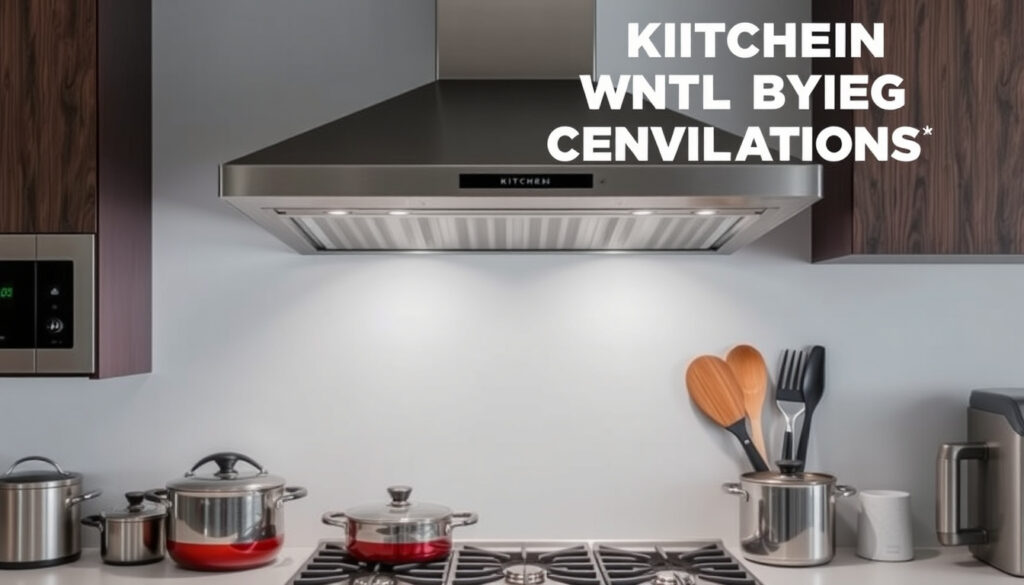
Cooktop Hood Guide: Types, Size, Venting & Buying Tips
Anyone who has roasted a chicken knows that steam and grease don’t stay in the pan—they spread into the kitchen. A good cooktop hood traps that moisture, odours, and airborne grease before they settle on your cabinets and walls. This guide covers the key choices Irish buyers face, from ducted versus recirculating systems to the right size for a 60cm hob, so you can pick a hood that actually works for your cooking and your home.
Typical extraction rate range: 400–1,200 m³/h ·
Standard width for 60cm hob: 60 cm or larger ·
Recommended max noise level: 45 dB for quiet models ·
Height above electric hob: 45–64 cm ·
Height above gas hob: Minimum 65 cm
Quick snapshot
- Cooktop hoods improve indoor air quality by removing grease, odours, and moisture (DID.ie – Irish appliance retailer).
- Ducted hoods are more effective than recirculating models (My Appliances – UK appliance specialist).
- Matching hood width to hob width is recommended (KitchenAid – manufacturer guidelines).
- Exact extraction rate needed can vary based on hob type and cooking frequency (Ciarra Appliances – UK/EU appliance retailer).
- No recent regulatory changes affecting domestic cooker hoods in Ireland (Ciarra Appliances – UK/EU appliance retailer).
- Check your kitchen layout and ducting possibilities before choosing between ducted and recirculating (DID.ie – Irish appliance retailer).
A hood that is too small or poorly vented won’t clear steam from a Sunday roast, leaving moisture to damage kitchen finishes. Matching extraction capacity to your hob’s output is the single most important decision in this purchase.
The table below summarises the key specifications to check before buying.
| Specification | Recommended value |
|---|---|
| Minimum hood width for 60cm hob | 60 cm |
| Recommended height above electric hob | 45–64 cm |
| Recommended height above gas hob | 65 cm or more |
| Minimum extraction rate (10× kitchen volume) | e.g., 300 m³/h for 30 m³ kitchen |
| Noise level of quiet hoods | Below 45 dB |
Does a cooktop need a hood?
Legal requirements in Ireland
- Irish building regulations (Part F) require mechanical ventilation in kitchens with hobs, according to guidance that applies in the UK and EU context (Ciarra Appliances – UK/EU appliance retailer).
- For commercial kitchens, the Workplace (Health, Safety and Welfare) Regulations 1992 mandate effective ventilation (High Speed Training – UK workplace safety training provider).
Health reasons for kitchen ventilation
Cooking releases grease, moisture, and particles that can affect indoor air quality. A hood reduces condensation on windows and walls and helps control lingering smells. Even a recirculating hood with a carbon filter is better than no hood at all.
Do cooker hoods need to vent outside?
Ducted vs recirculating hoods explained
- Ducted (vented) hoods expel air through a duct to an external wall or roof (My Appliances – UK appliance specialist).
- Recirculating hoods clean air through filters and send it back into the kitchen (DID.ie – Irish appliance retailer).
When ventless (recirculating) is acceptable
Many Irish kitchens, especially in apartments or older houses, cannot easily support ducting. Recirculating hoods require a carbon filter to remove odours; the filter must be replaced every few months. While less effective at removing moisture and grease, they are a valid option when external venting is impossible.
The catch: a ducted hood removes cooking byproducts directly outdoors. A recirculating hood filters only odours and some grease, leaving moisture inside. Choose ducted if you can, recirculating if your building layout leaves no alternative.
Which type of cooker hood is best?
Wall-mounted canopy hoods
The most common type, installed directly above a hob against a wall. Sizes and extraction rates suit standard setups.
Under-cabinet hoods
Compact units that fit beneath a cabinet, ideal for smaller kitchens or low ceilings.
Freestanding cooktop hoods
Designed for island cooktops, with a chimney that drops from the ceiling. Often more powerful to cover an open layout.
Ceiling extractors
Flush-mounted in the ceiling for a minimalist look; can be effective but typically require professional installation.
The best type depends on your kitchen layout and whether you can run ducting. For a standard wall hob, a wall-mounted canopy hood remains the most practical choice.
The pattern: layout constraints drive the choice more than raw power. A ceiling extractor in an apartment with no ducting path is a non-starter, while a wall-mounted canopy works in most standard kitchens.
What size cooker hood do I need for a 60cm hob?
Width matching rule
- The hood should be at least as wide as the hob – a 60cm hob requires a 60cm hood or larger (KitchenAid – manufacturer guidelines).
- Some guides recommend going 15 cm wider than the hob for better capture (Ken’s Appliance – home improvement guide).
Extraction rate calculation for kitchen volume
A simple rule: the hood’s extraction rate in m³/h should be at least 10 times your kitchen’s volume in cubic metres. For a 30 m³ kitchen (say 4m × 4m × 2.4m), aim for 300 m³/h minimum. Gas hobs typically need higher rates than electric.
The implication: buying a hood with too low an extraction rate will leave grease and steam hanging in the air, even if the width is correct. Always check the m³/h rating against your kitchen volume.
Which is better, a cooker hood or extractor fan?
Performance comparison
The table below shows how cooker hoods and extractor fans stack up on key metrics.
| Feature | Cooker hood | Extractor fan |
|---|---|---|
| Grease capture | High (mesh filter) | Low (no filter) |
| Moisture removal | Excellent (ducted) | Moderate |
| Odour removal | Good (carbon filter in recirc) | Poor |
| Typical extraction rate | 400–1,200 m³/h | 100–200 m³/h |
| Noise (typical) | 40–65 dB | 45–70 dB |
Installation differences
- Cooker hoods: wall or cabinet mount, may need ducting; installation cost €150–€400.
- Extractor fans: wall or window mount, simpler wiring; installation cost €50–€150.
Cost comparison
- Cooker hood: €100–€1,500 depending on brand, size, and type.
- Extractor fan: €30–€300; lower upfront but less effective.
For serious cooking, a cooker hood is the clear winner. An extractor fan can be a budget stopgap in a kitchen where a hood won’t fit.
Upsides
- Ducted hoods remove grease, moisture, and odours completely.
- Recirculating hoods offer simple installation without ductwork.
- Hoods improve indoor air quality and reduce condensation.
Downsides
- Ducted installation can be costly and disruptive.
- Recirculating models leave moisture in the room.
- All hoods require periodic filter cleaning or replacement.
Confirmed facts and what remains unclear
Confirmed facts
- Cooktop hoods improve indoor air quality (DID.ie – Irish appliance retailer).
- Ducted hoods are more effective than recirculating (My Appliances – UK appliance specialist).
- Irish regulations require mechanical kitchen ventilation (Ciarra Appliances – UK/EU appliance retailer).
- Hood width should equal or exceed hob width (KitchenAid – manufacturer guidelines).
What’s unclear
- Exact extraction rate needs depend on hob type and cooking frequency (Ciarra Appliances – UK/EU appliance retailer).
- No single set of noise standards exists for domestic hoods in Ireland (My Appliances – UK appliance specialist).
Expert perspectives on choosing a hood
“The height of the cooker hood above the hob is critical for effective extraction. For an electric hob, 45–64 cm is the sweet spot.”
— Bosch Home Ireland buying guide
“We offer several types of cooker hood – wall-mounted, island, and ceiling extractors. The choice depends on your kitchen layout and whether you can duct to the outside.”
— NEFF Ireland product page
For Irish households, the decision between ducted and recirculating often comes down to whether ducting is feasible. A ducted hood offers the best performance for serious cooks; a recirculating hood with a fresh carbon filter is a solid second choice when external venting isn’t an option.
Related reading: The Ultimate Cooker Hood Buying Guide · Range Hood Size Guide
ecanopy.co.uk, youtube.com, youtube.com, webstaurantstore.com, reddit.com, consumerreports.org
If you’re comparing ducted and recirculating options, our detailed range hood guide offers a thorough breakdown of costs and trends.
Frequently asked questions
Can a cooker hood be installed without ducting?
Yes, recirculating hoods filter and return air to the room. They require carbon filters to remove odours.
How often should I clean the cooker hood filter?
Mesh filters should be cleaned every 2–4 weeks depending on usage; carbon filters need replacing every 3–6 months.
What is the difference between a chimney hood and a canopy hood?
Both are wall-mounted; chimney hoods have a decorative chimney that covers the duct, while canopy hoods are more minimal. Performance is similar.
Do all cooker hoods need carbon filters?
Only recirculating hoods need carbon filters. Ducted hoods expel air outside and do not require them.
Is a louder hood always more powerful?
Not necessarily. Some quiet models achieve high extraction rates through advanced fan design. Always check the dB rating.
Can I install a cooker hood myself?
Simple recirculating models can be DIY-installed if you are comfortable with basic wiring. Ducted installation is best left to a professional.
For the average Irish homeowner replacing a 60cm hob, the choice is clear: pick a ducted canopy hood at least 60cm wide with an extraction rate of at least 10 times your kitchen volume. If ducting is impossible, a recirculating hood with a fresh carbon filter will still make a noticeable difference. Either way, a hood beats an extractor fan for any kitchen where real cooking happens.
More related posts
 Frankie Valli 2025: Net Worth, Family, and Current Work
 Malachi Barton: Age, Girlfriend, Movies, and TV Shows
 Miranda Otto Biography: Age at Éowyn Role, Family & Career
 Telstra Mobile Plans: Prices, Value & Comparisons
 Ethan Slater: Ariana Grande Relationship, Career & Biography
 Eberechi Eze: Age, Stats, Salary and Arsenal Transfer Profile
 Dakota Johnson: Age, Height, and Chris Martin Relationship
 Difference Between: Than vs Then, Their vs There, Debit vs Credit
